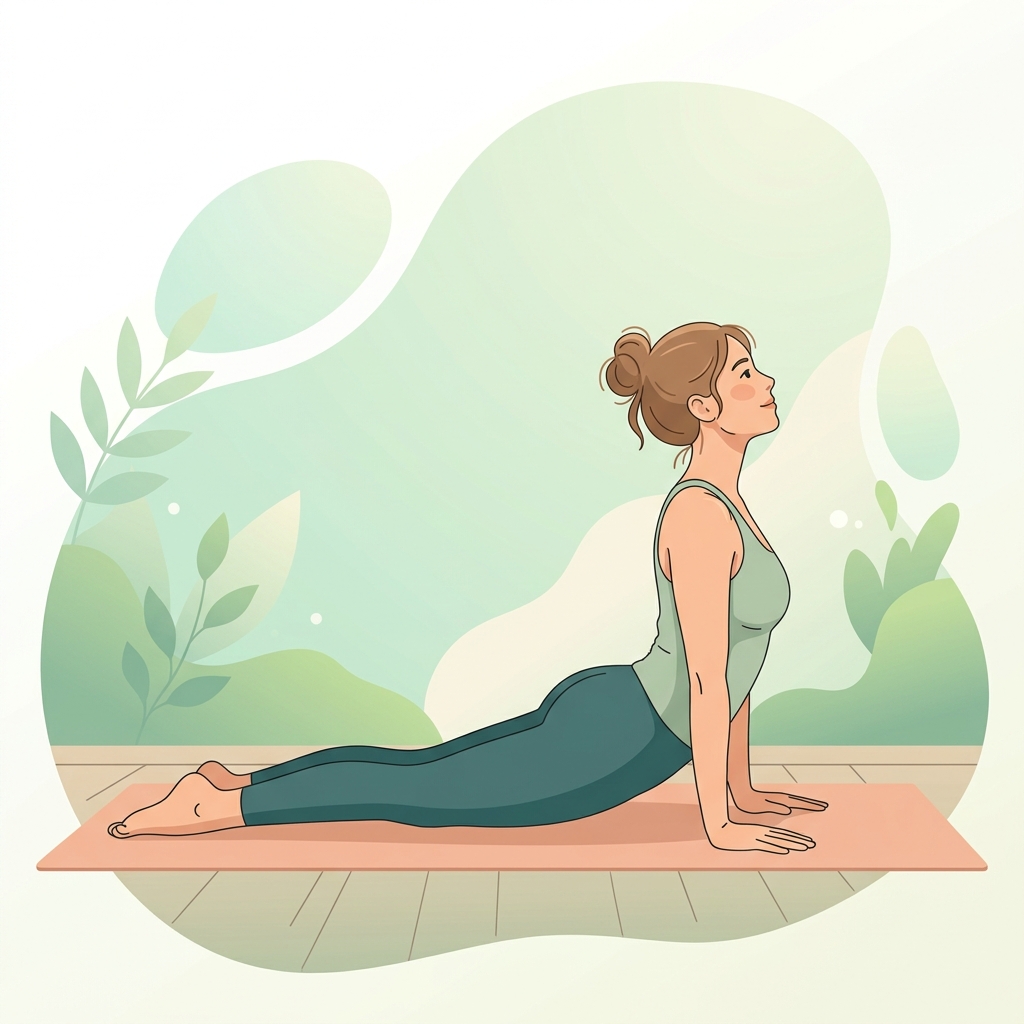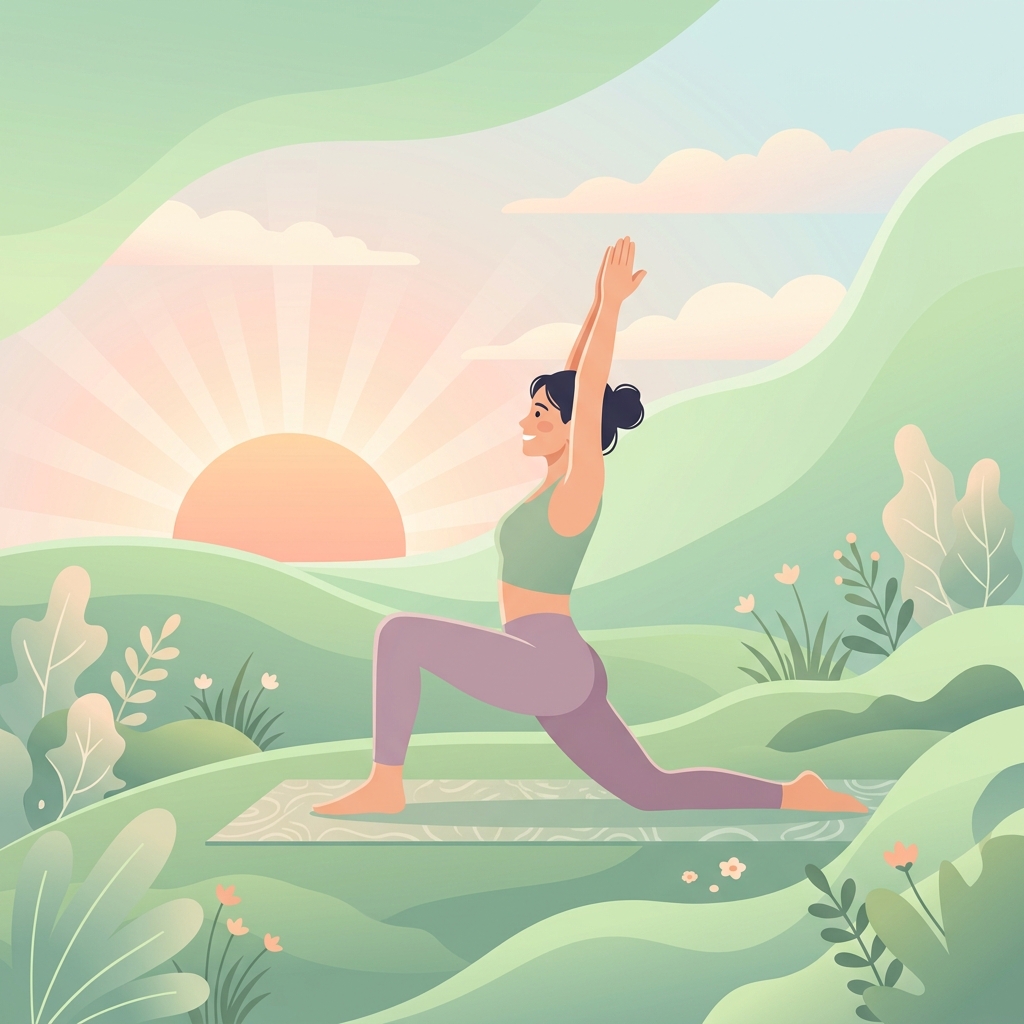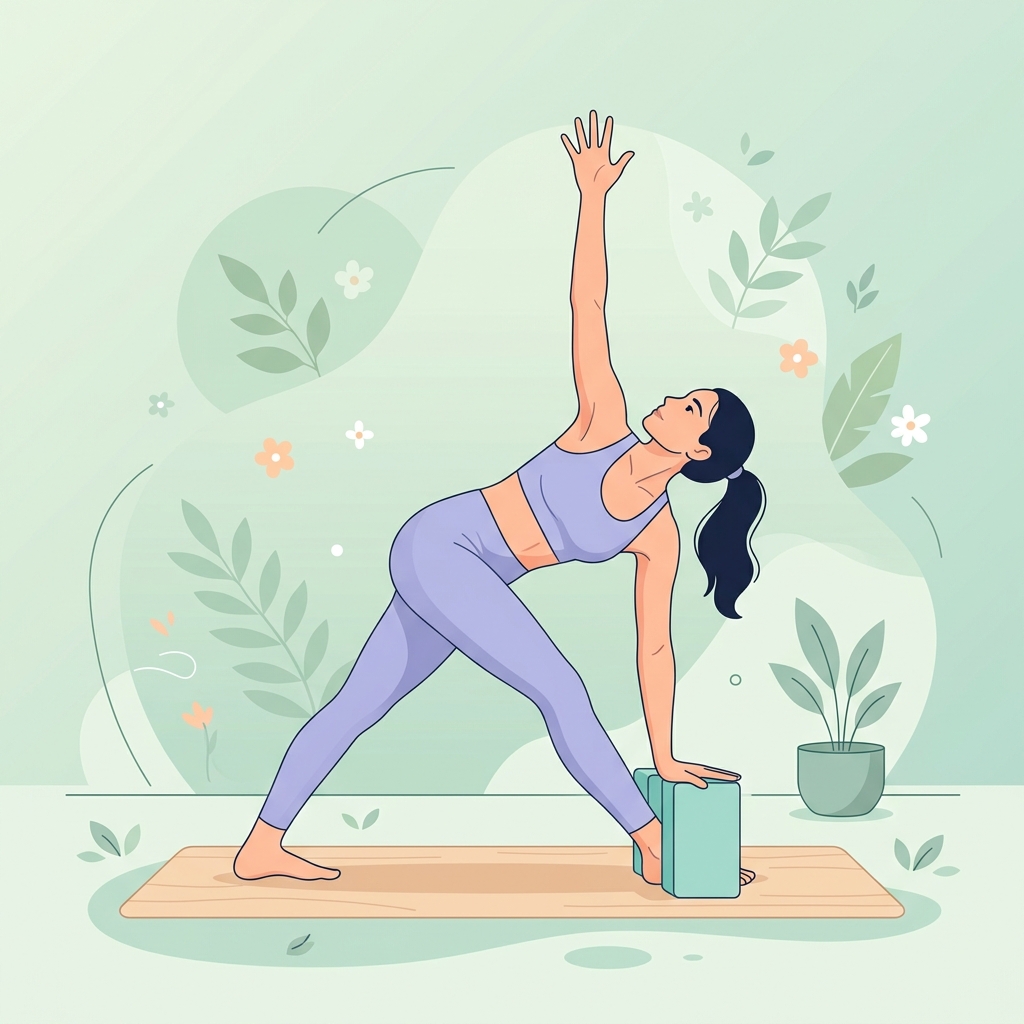
Welcome to your starting point for yoga. Yoga is a ancient discipline that dates back over 5,000 years, designed to unite the mind, body, and spirit. In modern times, it has evolved into a powerful practice for stress reduction, physical fitness, structural alignment, and mental clarity. If you have never stepped foot on a yoga mat, this directory is designed for you. We provide professional guidelines, safe posture progressions, and curated tutorials that will take you from absolute novice to a confident practitioner.
Understanding the Foundations: What is Yoga?
The word 'yoga' comes from the Sanskrit root 'yuj,' which means to yoke, join, or unite. Historically, this union referred to merging individual consciousness with universal consciousness. In modern practical terms, it means aligning your physical actions, breathing rhythms, and mental focus. Through this alignment, you experience a state of inner peace and physical stability.
Many beginners believe that yoga is simply a physical exercise or a series of complex stretching positions. However, the physical postures (called 'asanas') are only one of the eight classical branches of yoga, known as the 'Eight Limbs of Yoga' (Ashtanga). These limbs include moral codes (yamas), self-purification practices (niyamas), postures (asanas), breath control (pranayama), sensory withdrawal (pratyahara), concentration (dharana), meditation (dhyana), and ultimate absorption (samadhi). As a beginner, starting with postures and breathing is the most accessible entry point.
By beginning with the physical and breathing elements, you build a body-mind awareness. You learn to listen to sensory signals, adjust your posture to avoid strain, and stabilize your nervous system. Over time, what begins as a simple stretching routine on a sticky mat transforms into a complete lifestyle that enhances how you work, eat, sleep, and interact with the world.
The Key Styles of Yoga Explained for Beginners
Walking into a yoga studio or browsing guides online can be overwhelming due to the sheer number of styles available. Choosing a style that aligns with your fitness level and goals is crucial for safety and enjoyment. Here are the most common styles you will encounter:
Hatha Yoga: This is the umbrella term for all physical yoga styles, but in modern contexts, a Hatha class represents a gentle, slow-paced introduction to basic postures. You will hold each pose for several breaths, focusing on alignment, spinal tracking, and basic breathing rules. This is the absolute best starting point for beginners.
Vinyasa Yoga: Known as 'flow' yoga, Vinyasa synchronizes movement with breath. You will transition smoothly from one pose to the next in a dynamic, continuous sequence. It builds cardiovascular health, stamina, and core strength, but requires some familiarity with the poses to maintain correct form.
Restorative Yoga: A deeply relaxing style that uses props (like blocks, bolsters, and blankets) to support the body in passive postures. Poses are held for 5 to 20 minutes, allowing the muscles to release without active straining. This is ideal for stress reduction, recovery, and chronic pain relief.
Yin Yoga: Similar to restorative but targets the deep connective tissues, fascia, and joints rather than muscles. Postures are held passively for 3 to 5 minutes, usually seated or lying down. It stimulates joint flexibility and teaches mental endurance, but requires careful attention to avoid over-stretching ligaments.
- Hatha Yoga: Slow-paced alignment focus (Recommended for Beginners)
- Vinyasa Yoga: Dynamic movement synchronized with breath
- Restorative Yoga: Passive poses supported by props for healing
- Yin Yoga: Deep connective tissue stretching and mental stillness
Essential Yoga Equipment: What You Actually Need
One of the greatest benefits of yoga is that it requires very little investment to get started. You do not need expensive outfits or gadgets. However, having a few high-quality basics will make your practice safer and more comfortable.
The Yoga Mat: Your mat is your most important tool. It provides traction (so your hands and feet do not slip in down dog) and cushioning for your knees, spine, and wrists. Look for a non-slip mat that is at least 4mm to 6mm thick. Natural rubber or high-density PVC are excellent options.
Yoga Blocks: Blocks are not just for people who cannot reach the floor; they are essential alignment tools used by advanced practitioners to bring the floor closer. They help maintain a straight spine in standing poses and support the hips in seated poses. Foam blocks are lightweight and soft, while cork blocks are heavier and more stable.
Yoga Strap: A cotton strap act as an extension of your arms. If you cannot reach your toes in a seated forward bend, wrapping a strap around your feet allows you to pull forward while keeping your shoulders relaxed and your spine long, avoiding neck strain.
Safety and Injury Prevention Tips for Beginners
While yoga is generally a low-impact, therapeutic practice, injuries can occur if you push past your current limits or use improper alignment. The golden rule of yoga is 'Ahimsa,' which means non-harm. This principle should guide your relationship with your body.
Never Force a Posture: Yoga should never cause sharp pain, burning, or joint pinching. If you feel any of these sensations, back out of the pose immediately. There is a difference between a healthy, warm stretch in a muscle belly and strain in a joint or tendon.
Use Modifications Freely: Every posture can be modified. If a teacher or guide shows a full pose, use blocks, bend your knees, or take a child's pose instead. Modifying is a sign of an advanced, self-aware practitioner, not a beginner's failure.
Focus on the Breath: If you are holding your breath, your muscles are tensing up to protect themselves, which increases injury risk. Keep your breathing slow, steady, and nasal. If your breath becomes shallow or gasping, rest.
Frequently Asked Questions
No. Flexibility is a result of yoga, not a prerequisite. Modifying poses allows you to practice safely regardless of your current mobility.
Wear comfortable, breathable clothing that allows for full range of motion. Avoid excessively baggy clothes that might slide over your head during inversions.
Generally, beginners should hold poses for 3 to 5 steady nasal breaths (about 15 to 30 seconds) to build strength and understand alignment.