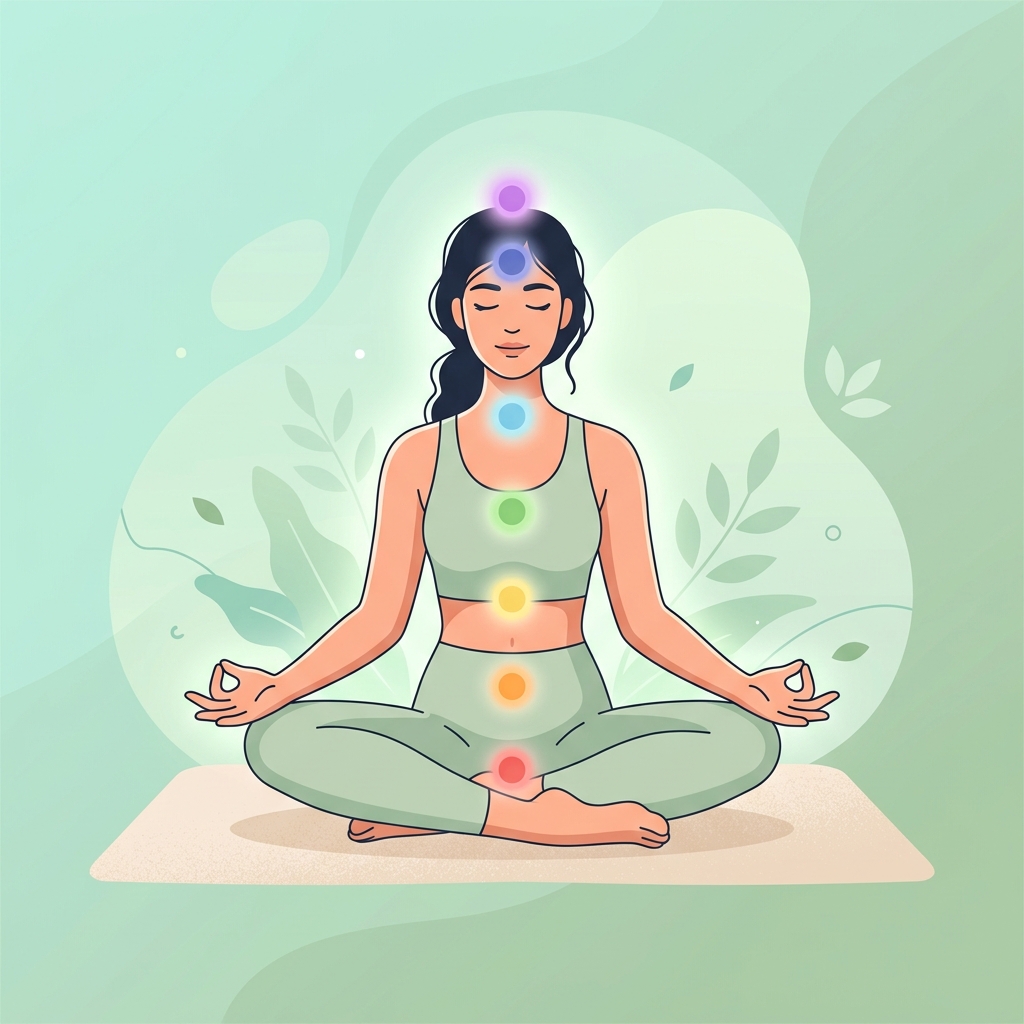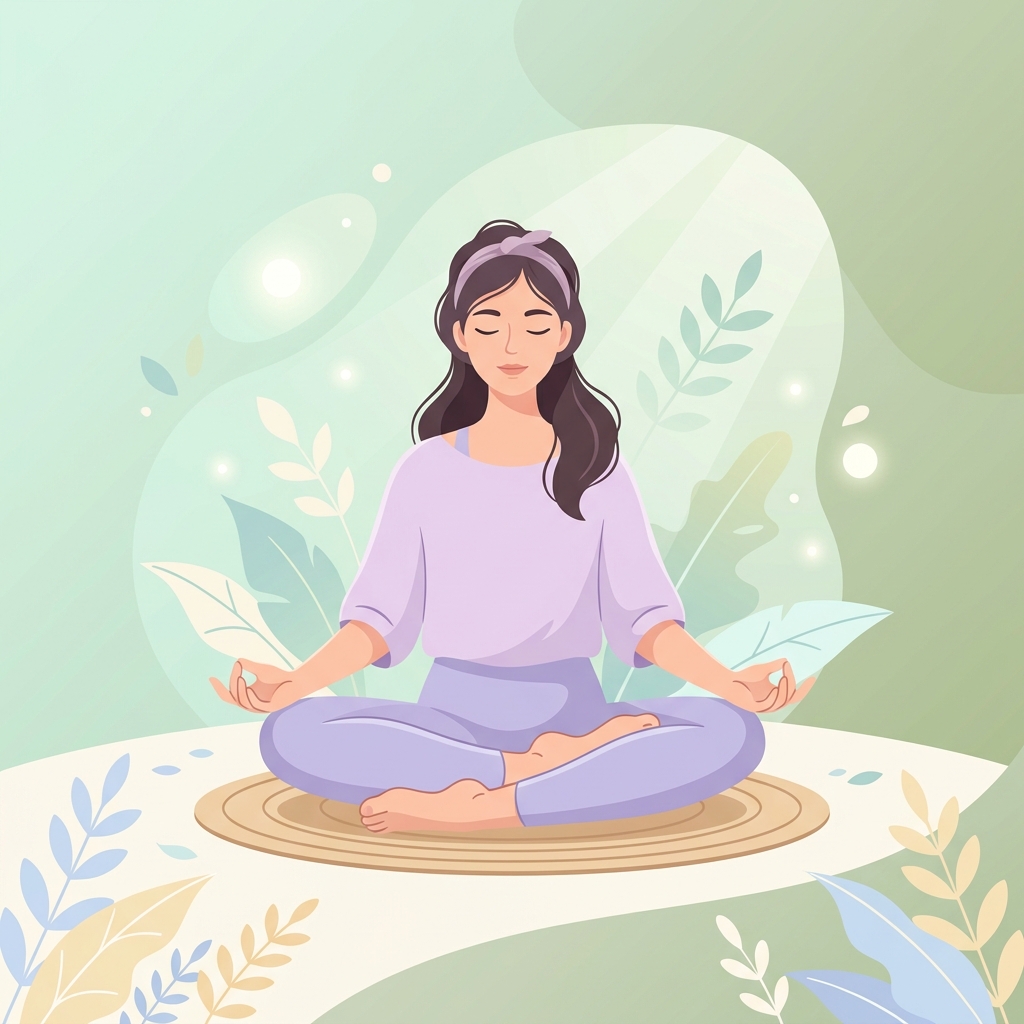
Meditation is the practice of training your attention and awareness to achieve mental clarity, emotional stability, and a calm, quiet mind. While yoga postures prepare the physical container, meditation works directly on the mind itself. In our modern, high-stimulation world, meditation is a scientific tool to deactivate the sympathetic nervous system (fight-or-flight) and cultivate a resilient inner peace that remains steady amidst external chaos.
The Physiology of Meditation: What Happens to the Brain?
Meditation is not a mystical belief system; it is a physiological exercise that changes the structure of your brain. Neuroscientists have documented these changes using fMRI technology, proving that regular meditation practice stimulates 'neuroplasticity'—the brain's ability to reorganize itself.
Studies show that just eight weeks of consistent mindfulness practice increases the gray matter density in the hippocampus, the area of the brain responsible for learning, memory, and emotional regulation. Concurrently, it reduces the size and activity of the amygdala, the brain's fear and stress center. This means you become less reactive to stressors, managing challenges with calm awareness rather than panic.
Furthermore, meditation alters your brainwave patterns. It shifts the brain from high-frequency Beta waves (associated with active stress and logical planning) to Alpha waves (associated with relaxed focus) and Theta waves (associated with deep relaxation and creativity). This shift lowers blood pressure, reduces resting heart rate, and decreases levels of the stress hormone cortisol.
Setting Up Your Meditation Space and Posture
To sit comfortably in meditation, you do not need a complex cross-legged pose. The goal is to find a posture that allows your spine to be tall and straight, while your muscles remain relaxed. This balance of alertness and ease allows you to breathe deeply and stay awake.
Sitting on a Cushion (Zafu): Elevating your hips above your knees is the key to comfort. If your knees are higher than your hips, your pelvis tilts backward, causing your lower back to round and ache. Sitting on a firm cushion allows your knees to drop toward the floor, supporting the natural curve of your lower back.
Sitting in a Chair: If sitting on the floor causes knee or back pain, sit in a sturdy chair. Place your feet flat on the floor, hips-width apart. Keep your back away from the chair's backrest to maintain active spinal muscles, or place a small cushion behind your lower back for support.
Hand Placement: Rest your hands gently on your thighs, palms facing down for grounding, or palms facing up with the thumbs and index fingers touching (Jnana Mudra) to cultivate focus.
A Simple 5-Minute Daily Meditation for absolute Beginners
If you are new to meditation, start small. Five minutes of consistent daily practice is far more effective than thirty minutes once a week. Here is a simple, breath-focused meditation routine to begin your journey:
1. Find your posture: Sit comfortably, close your eyes, and take three deep breaths to settle into your body.
2. Observe your natural breath: Allow your breath to settle into its natural rhythm. Do not try to control it. Simply observe the sensation of the air entering and leaving your nostrils, or the rising and falling of your chest and abdomen.
3. Return when your mind wanders: Your mind will wander; this is completely normal. The goal of meditation is not to stop thoughts, but to notice when your mind has drifted. When you realize you are thinking, gently and without judgment, bring your attention back to your next breath.
Frequently Asked Questions
Start with 5 to 10 minutes daily. As it becomes a habit, you can gradually increase the time to 15 or 20 minutes.
Gently stretch your legs out, shift your posture, and resume. Elevating your hips on a higher cushion helps prevent pinched nerves and numbness.
Yes, but there is a high risk of falling asleep. Lying down is excellent for evening relaxation or insomnia, but a seated posture is preferred for active awareness.