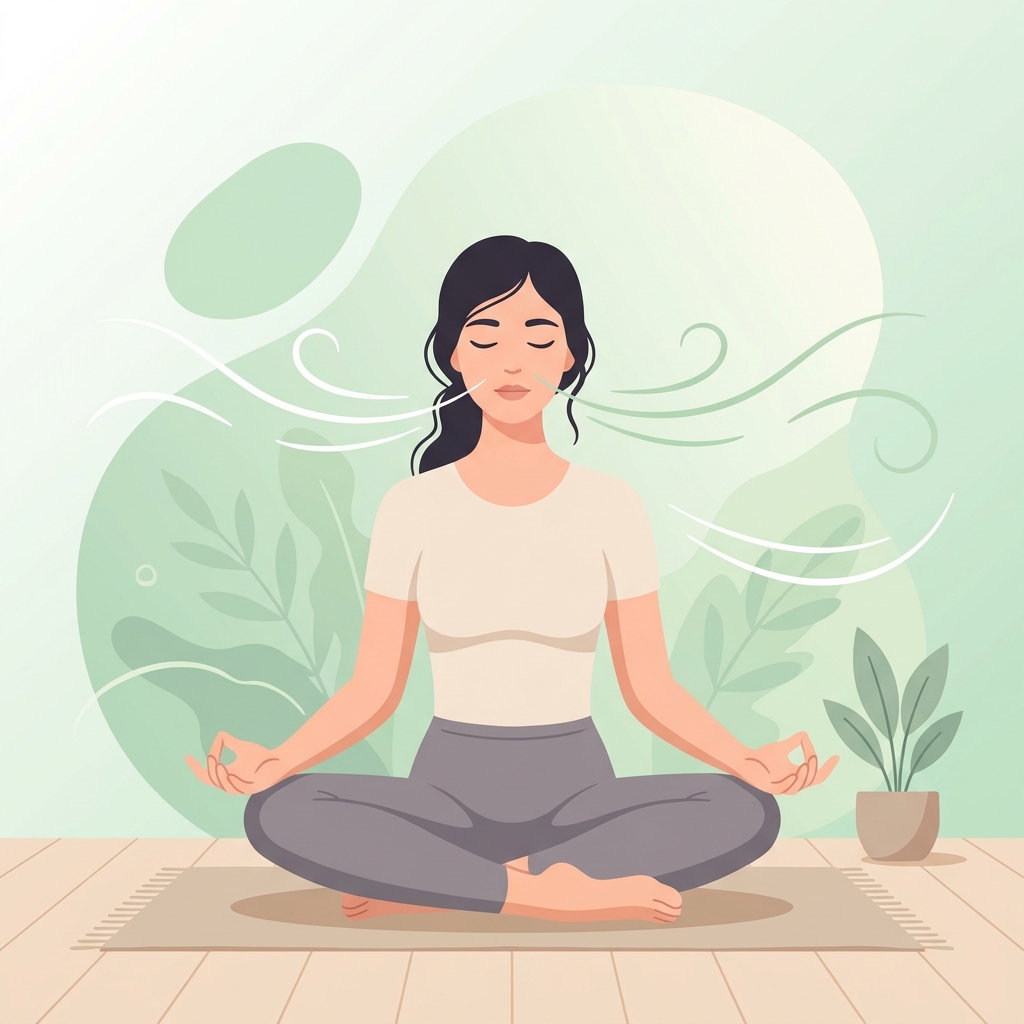
Pranayama is the fourth limb of classical yoga, translating directly as the regulation or expansion of the life force ('prana'). While breathing is usually an automatic function, pranayama teaches us to consciously control the depth, rhythm, and speed of our breath. By altering our breathing patterns, we can directly influence the autonomic nervous system, shifting ourselves from high stress to profound calm in minutes.
The Physiology of Breath: How Pranayama Works
To understand the power of pranayama, we must look at the relationship between the lungs, the diaphragm, and the vagus nerve. The vagus nerve is the main highway of the parasympathetic nervous system, running from the brainstem through the chest and abdomen. It controls resting heart rate, digestion, and the immune system.
When you take short, shallow chest breaths—a common response to chronic stress—you signal to your brain that you are in danger, triggering the release of adrenaline and cortisol. Conversely, when you perform slow, deep diaphragmatic breaths, the movement of the diaphragm stimulates the vagus nerve. This sends an immediate chemical signal to slow the heart rate, lower blood pressure, and activate digestion.
Pranayama techniques also balance the levels of oxygen and carbon dioxide in the blood. Contrary to popular belief, carbon dioxide is not just a waste product; it is a vital catalyst that allows oxygen to detach from hemoglobin and enter your cells. Slow breathing builds a healthy tolerance to carbon dioxide, improving cellular oxygenation and brain function.
Core Pranayama Techniques for Beginners
There are many pranayama techniques, ranging from warming and energizing to cooling and sedating. Beginners should start with these three safe and highly effective techniques:
Diaphragmatic Breathing: The foundation of all breathwork. Sit tall, place one hand on your chest and the other on your belly. Breathe deeply through your nose, ensuring that only the hand on your belly rises on the inhale and falls on the exhale. This exercises the diaphragm and reduces tension in the neck and shoulders.
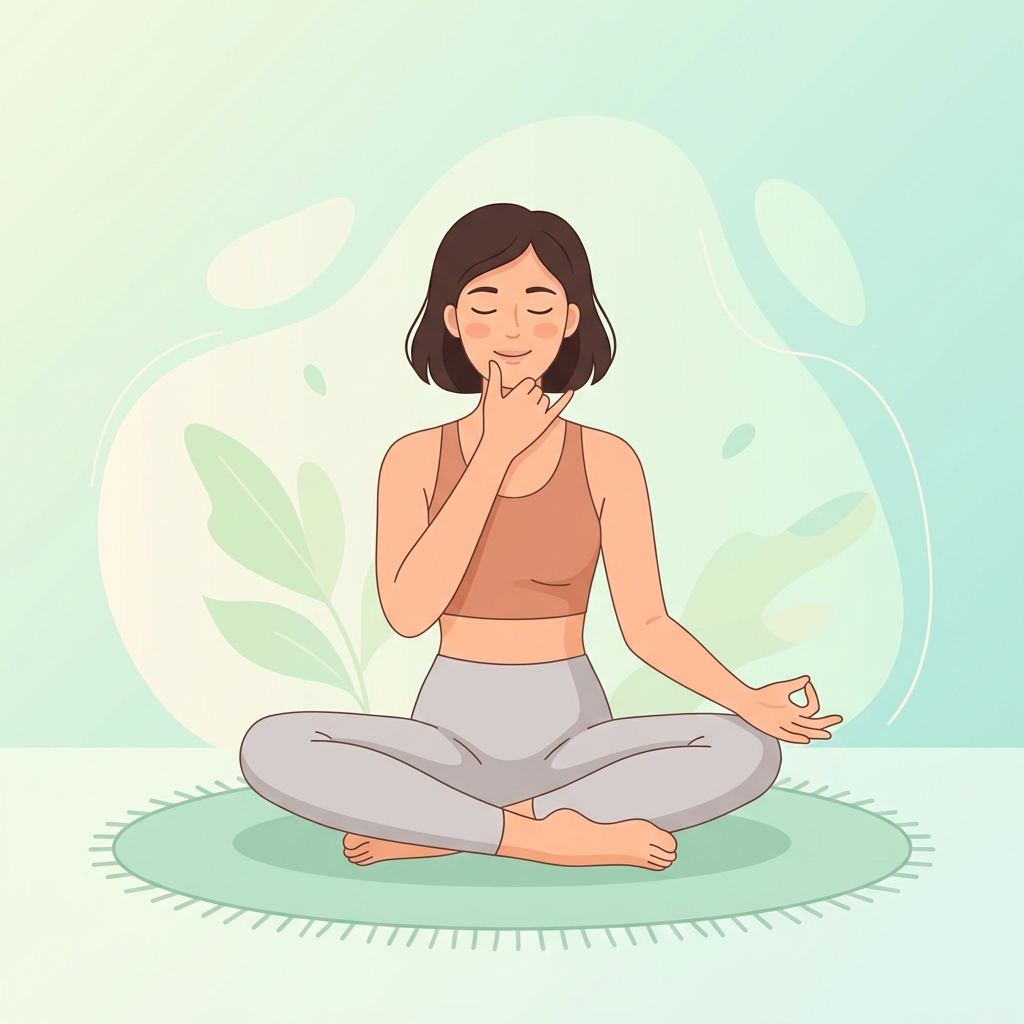
Nadi Shodhana (Alternate Nostril Breathing): A traditional technique to balance the left and right hemispheres of the brain, calming the mind and reducing anxiety. Use your thumb to close your right nostril, inhale through the left. Close the left nostril with your ring finger, release the thumb, and exhale through the right. Inhale through the right, close it, and exhale through the left. Repeat for 5-10 rounds.
Ujjayi Breath (Victorious or Ocean Breath): Commonly used during physical yoga flows. Slightly constrict the back of your throat as you breathe in and out through your nose, creating a soft whispering sound like ocean waves. This constriction slows the airflow, warms the breath, and gives the mind a focal point.
Safety Precautions and Best Practices
Pranayama is a powerful practice that should be approached with respect and awareness. Because it directly affects the nervous and cardiovascular systems, practicing safely is essential.
Always practice on an empty stomach. Wait at least two hours after a heavy meal before doing deep breathwork to avoid abdominal discomfort and allow the diaphragm to move freely.
Never force or hold your breath to the point of strain. If you feel lightheaded, dizzy, or short of breath, stop the exercise and return to your natural breathing rhythm. Those with high blood pressure, heart conditions, or pregnancy should avoid advanced techniques that involve breath retention (Kumbhaka) or rapid pumping (like Kapalabhati).
Frequently Asked Questions
The nose filters, warms, and humidifies the air. It also produces nitric oxide, a compound that dilates blood vessels and improves oxygen transport in the lungs.
Early morning before breakfast is the ideal time, as your mind is quiet and your stomach is empty. However, gentle evening breathwork is excellent for sleep.
Yes, gentle techniques like diaphragmatic breathing can strengthen the respiratory muscles and improve lung capacity, but consult a doctor if you have asthma or COPD.