Stress is an inevitable part of modern life, but chronic stress can damage our mental and physical health. Yoga offers a complete toolkit for stress relief. By combining physical movement to release tension, breathing exercises to calm the nervous system, and meditation to quiet the mind, yoga helps you manage life's challenges with ease.
The Science of Stress: How Yoga Restores Balance
When you encounter a perceived threat, your body enters a state of fight-or-flight (the sympathetic nervous system). This response triggers the release of stress hormones, raising your heart rate and muscle tension. While useful in short bursts, chronic activation of this response can lead to high blood pressure, anxiety, and digestive issues.
Yoga works by activating the parasympathetic nervous system (the 'rest and digest' state). Through slow movements, deep breathing, and mindful attention, you signal to your brain that you are safe. This reduces your heart rate, lowers blood pressure, and allows your body to heal.
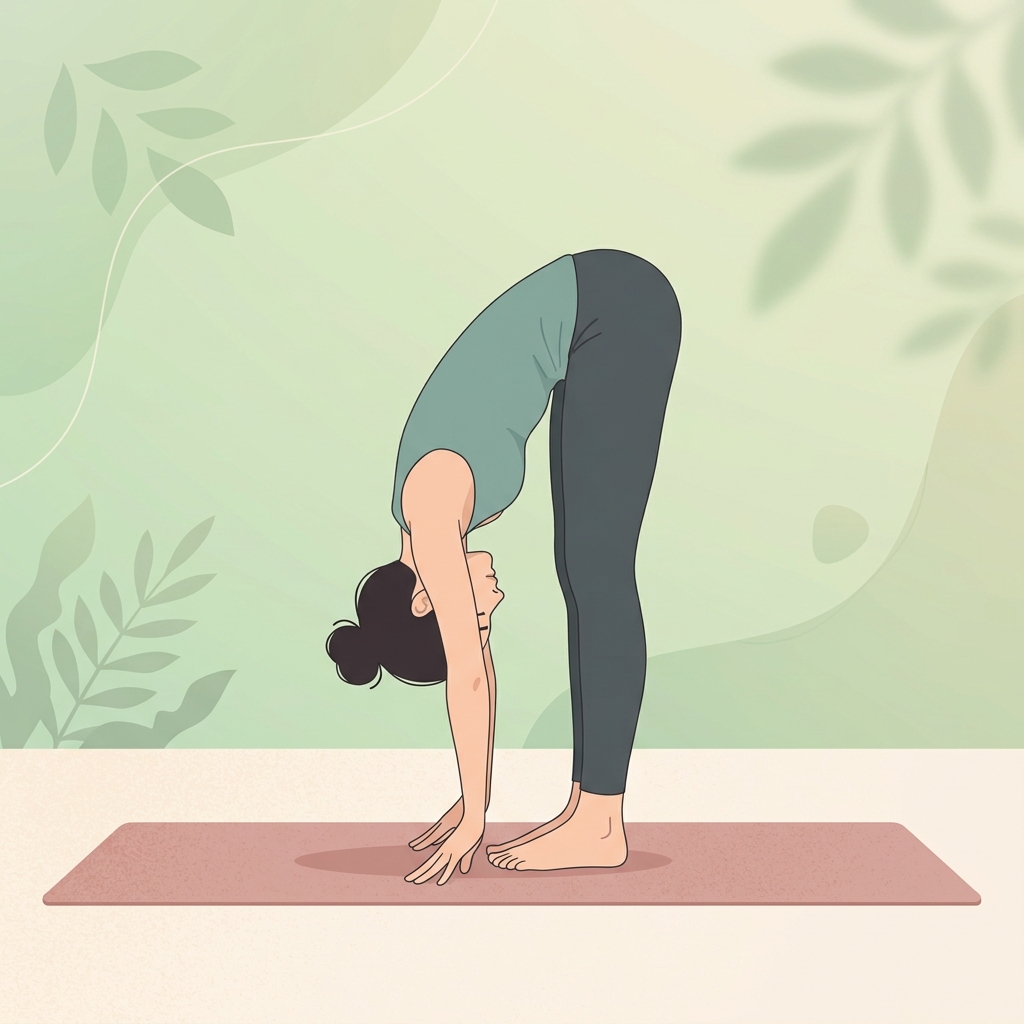
Furthermore, yoga reduces muscle tension. When we are stressed, we often hold tension in our jaw, neck, shoulders, and hips. Physical yoga postures help release these areas of tension, letting go of physical stress.
Top Yoga Styles for Deep Relaxation
For stress relief and recovery, choose slow, gentle styles that focus on relaxation and breathing:
Restorative Yoga: Uses props to support your body in passive poses, allowing your muscles to relax fully. Poses are held for long periods to promote deep rest.
Yin Yoga: Targets deep connective tissues and joints. Holding poses passively teaches mental focus and lets you release deep physical tension.
Yoga Nidra: Also known as 'yogic sleep,' this is a guided meditation practice done lying down. It leads you into a state of deep conscious relaxation, ideal for insomnia and anxiety.
Essential Poses for Stress Relief
Add these calming poses to your routine to relieve daily stress:
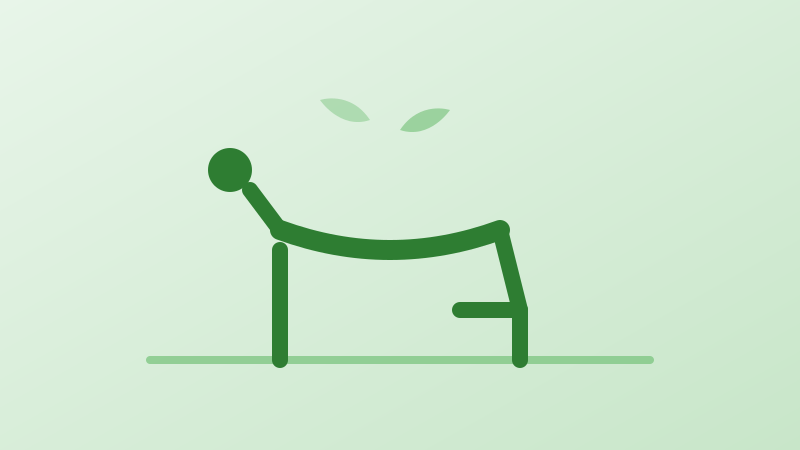
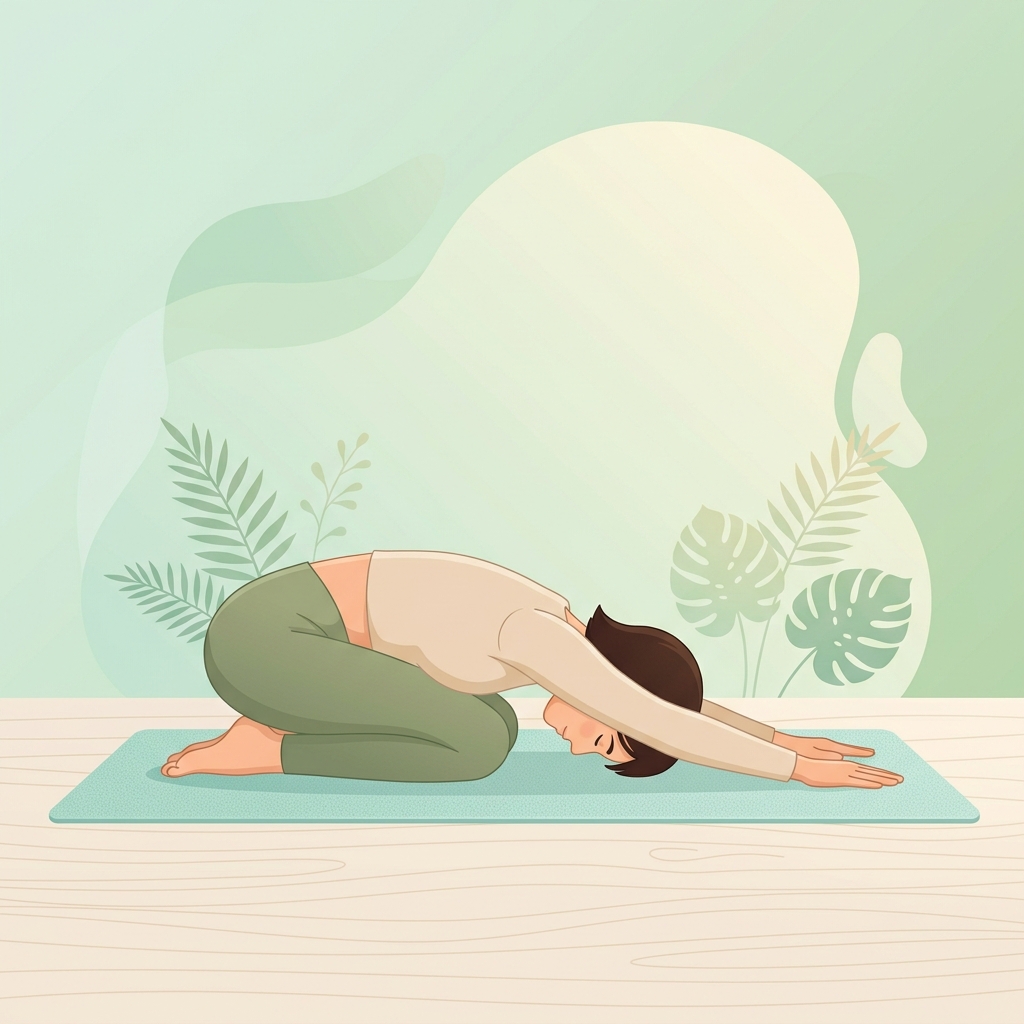
Child's Pose (Balasana): A gentle forward fold that rests the forehead, stretching the hips and calming the nervous system.
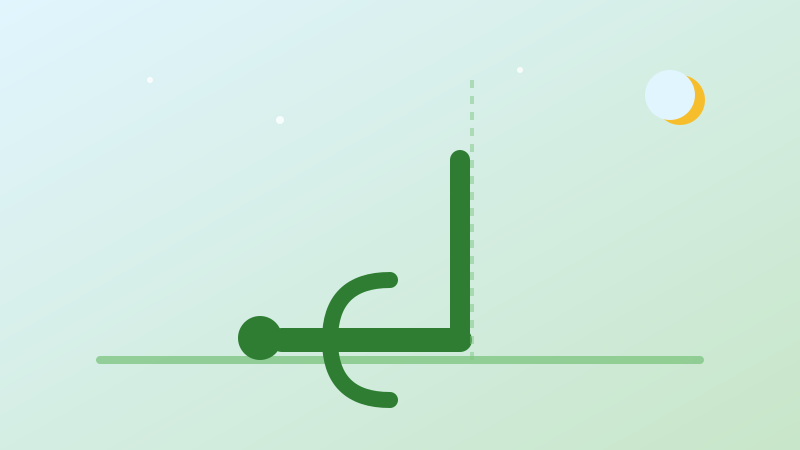
Legs-Up-the-Wall Pose (Viparita Karani): A restorative inversion that improves circulation, reduces swelling in the legs, and calms the mind.
Corpse Pose (Savasana): The final relaxation pose. Lie flat on your back, close your eyes, and let your body relax fully. Essential for absorbing the benefits of your practice.
Frequently Asked Questions
You will often feel a sense of calm and relaxation immediately after a single 15-minute practice.
Yes, gentle poses and breathing exercises are an excellent way to prepare your body for deep sleep.
Props are helpful, but you can use household items like pillows, blankets, and books as substitutes.