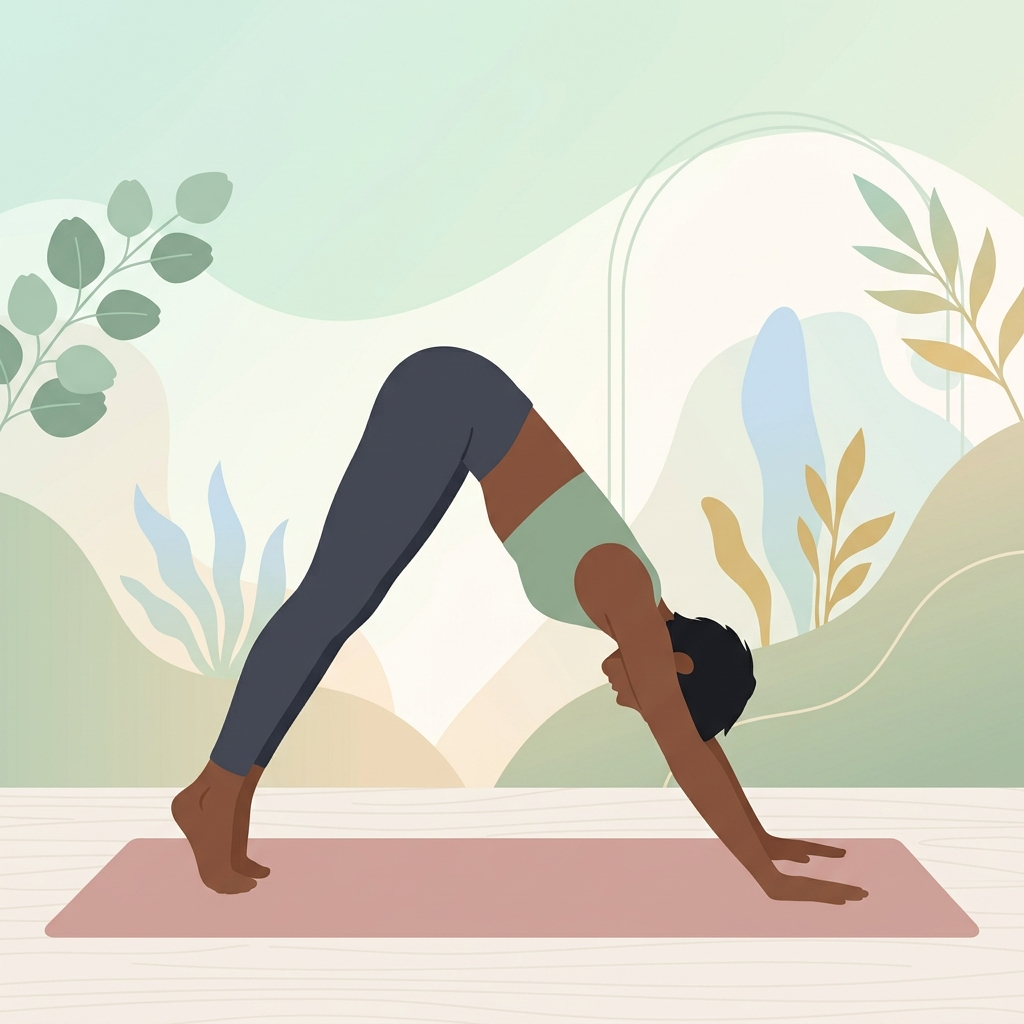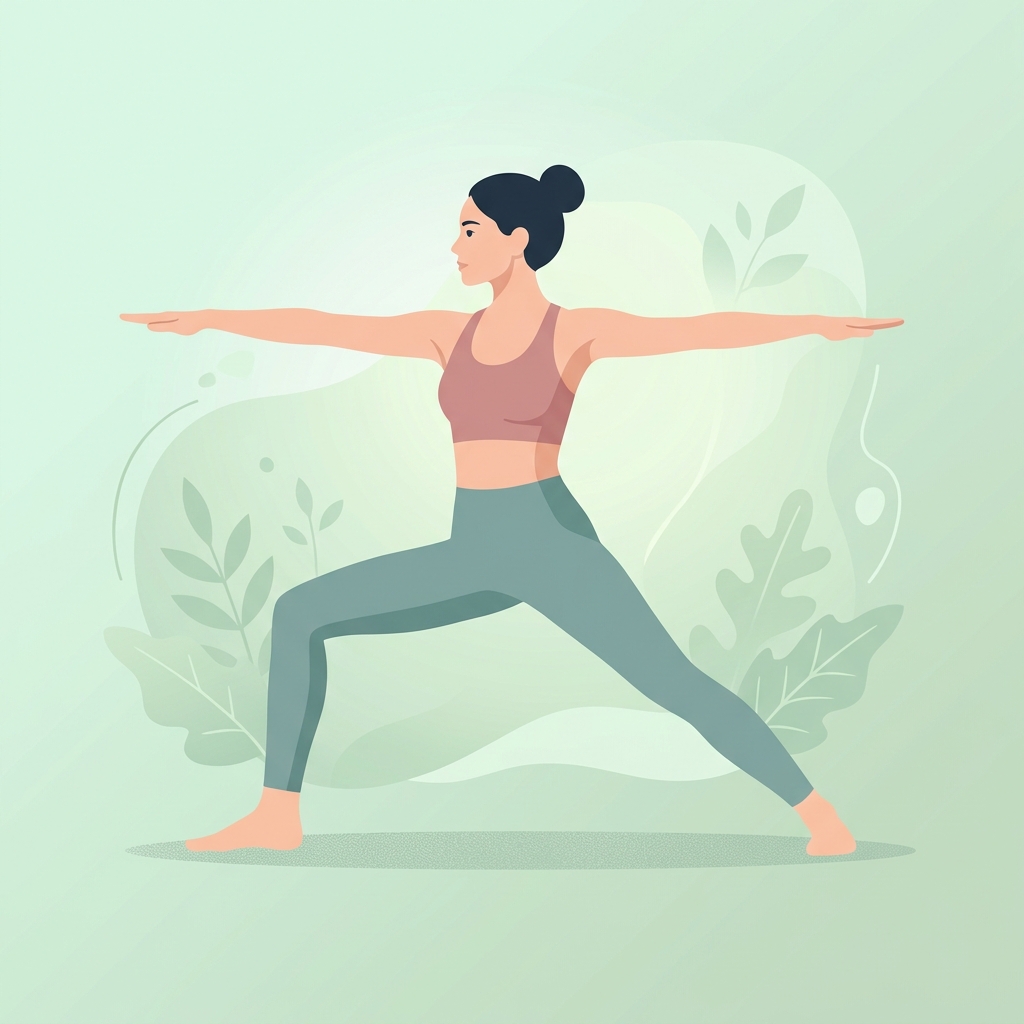
Welcome to our comprehensive Yoga Poses Library. Postures, or 'asanas' in Sanskrit, form the physical foundation of modern hatha yoga. Each posture is carefully engineered to stimulate specific muscle groups, open compressed joints, massage internal organs, and target the endocrine and nervous systems. This library provides technical alignment details, structural benefits, common adjustments, and anatomical cautions for both fundamental and advanced postures.
The Classification of Yoga Postures
To build a balanced, safe sequence, it is helpful to understand how yoga poses are classified. Each category of posture has a distinct effect on your body's energy and anatomy. A well-designed yoga class typically integrates poses from multiple categories to move the spine in all six directions.
Standing Poses: Postures like Warrior I, Warrior II, and Triangle Pose form the foundation. They build lower body strength, stabilize the hips, improve balance, and generate heat. Standing poses are energizing and grounding, making them perfect for the beginning and middle of your practice.
Seated Poses & Hip Openers: Poses such as Butterfly Pose, Pigeon, and Seated Forward Folds target the deep muscles of the pelvis, hamstrings, and lower back. They are generally cooling and introspective, helping to calm the nervous system and release emotional tension stored in the hips.
Backbends: Postures like Cobra, Bow, and Bridge Pose extension the front of the body, stimulate the heart chakra, and strengthen the back muscles. They improve lung capacity by opening the ribcage and counteract the slouching posture of daily desk work.
Anatomy and Alignment: The Science of Form
Alignment in yoga is not about making a pose look picture-perfect. Rather, it is about distributing weight and forces safely across your joints and connective tissues. When alignment is correct, energy flows freely, and your joints are protected from wear and tear.
For example, in standing poses, keeping your knee stacked directly over your ankle prevents lateral shearing force on the knee ligaments. In backbends, initiating the stretch from the thoracic spine (upper back) rather than dumping all your weight into the lumbar spine (lower back) prevents disc compression and nerve pinch.
Anatomical awareness also teaches you to engage opposing muscle groups. In a forward bend, contracting the quadriceps triggers a neurological reflex (reciprocal inhibition) that signals the hamstrings to relax, allowing for a deeper, safer stretch. Understanding these subtle mechanisms turns physical stretching into a conscious science.
Adapting Postures with Props and Modifications
Props are your best friends in the poses library. They customize the practice to fit your unique bone structure and flexibility level. No two bodies are built the same; skeletal variations in the hip socket shape and arm-to-torso proportions mean some poses will naturally feel different for everyone.
Blocks can be placed under the hands in Triangle Pose to keep the chest open and prevent rounding of the spine. Bolsters placed under the knees during forward folds relieve pressure on tight hamstrings and the lower back. Straps help close the gap in poses like Cow Face Pose, enabling you to open the chest without straining your shoulders.
Never hesitate to modify. A modified pose performed with integrity, a long spine, and deep breathing is infinitely more beneficial than a full expression of a pose performed with strain, rounded joints, and shallow breathing.
Frequently Asked Questions
Asana is the Sanskrit word for posture. Historically, it meant a steady and comfortable seat used for long meditation sessions.
Yes, especially if you have tight hamstrings or lower back pain. Bending the knees protects the lower spine from pulling or strain.
Hip openers and deep backbends can release tension stored in the fascia and muscles of the pelvis and chest, which sometimes triggers emotional releases.